Skip to content

Legacy Software Modernization - Fast impact engagement - Low‑Risk Transformation  

Extend legacy systems lifetime without risky rewrites.

Codelab provides an engineering‑led portfolio to help you modernize business‑critical legacy systems without a risky rewrite. Instead of betting everything on a big‑bang replacement, you get clear visibility, a realistic roadmap and phased redesign that protects your core business while removing technical drag.

Made in EU. Trusted by industrial, telecom, finance and software teams running business‑critical systems.

Hero fota HubSpot

The Legacy challenge - why we don't modernize?

Even when everyone feels the pain of legacy systems, it’s easy to postpone modernization — or aim it in the wrong direction. These are the most common blockers we see.

“We’ll modernize later”

  • The system still “works”, so legacy risk feels abstract and easy to push to next quarter or next year.
  • There is no quick, low‑risk assessment to show the real impact on incidents, delays and costs, so other projects always win the budget.
  • By the time modernization becomes unavoidable, the system is harder to change, key people have left and options are more limited.

“We accept the pain”

  • Teams live with slow screens, manual checks and workarounds, treating them as “how the system is” instead of problems to solve.
  • Extra effort from support and engineering is normalised, so the hidden cost of legacy never appears clearly in reports or KPIs.
  • Because everyone has adapted, there is no internal pressure strong enough to justify a structured modernization effort.

“It’s too risky to touch”

  • Nobody is fully confident about test coverage, integrations or edge cases, so even small changes feel dangerous.
  • There is no safe, production‑like environment to experiment in, and past incidents make teams even more cautious.
  • From leadership’s perspective, modernization sounds like “open‑heart surgery on a running patient”, so doing nothing feels safer.

“No clear direction”

  • People jump between ideas like “rewrite”, “refactor”, “move to cloud” or “buy a new system”, but none are based on a shared analysis.
  • Architecture diagrams are outdated, dependencies aren’t mapped, and nobody agrees which parts are most critical or fragile.
  • Without a phased, fact‑based roadmap, every option looks like a guess, so decisions stall and legacy stays as it is.
makuch seweryn 2

Legacy systems often accumulate technical debt, security risks, and outdated user interfaces that slow down operations. Delaying modernization only increases complexity and cost. A pragmatic starting point is a key—our low-entry offerings like App Health Check, Secure Stack Analysis, and UX/UI Refresh help establish a clear baseline and define a realistic path for modernization.

Seweryn Makuch Codelab Solution Owner

Legacy systems don’t just mean inconvenience.

80%
of organizations say outdated technology is holding back progress and innovation.
200%
gains in conversion are possible when you improve user interface and overall user experience.
80%
of technical debt will be architectural technical debt by 2027

CRA Is Not Just About Security Testing. It’s About Proving It.

Your embedded devices are increasingly distributed, connected and exposed to growing regulatory pressure, including the Cyber Resilience Act.  
Every firmware update is no longer just about functionality – it is about security, remote rollout capability and a repeatable, auditable process.  
Codelab’s Secure Bootloader gives you a proven, flexible foundation so you can focus on developing your product instead of reinventing the update mechanism.  


What modern software operations demand from your systems.

secure_bootloader-2

Security by Design

Systems need secure defaults, patchable components and clear ownership for critical areas

Maintainable architecture

Teams need architecture that supports frequent, safe change instead of collapsing under every new requirement.

Reliable deployment

Testing and CI/CD pipelines must make deployments routine events, not high‑risk special operations.

Scalable integration

Clean interfaces and integration patterns so new tools, services and partners can connect without months of rework.

Operational visibility

Monitoring, diagnostics and logging that help teams see issues early and resolve them quickly.

Compliance‑ready documentation

Enough structure and evidence that audits, customer reviews and approvals become manageable, not fire drills.

As IT budget pressures grow, heads of enterprise architecture playa key role in reducing costs in operational spend and ensuring thattoday’s choices don’t become future technical debt. EA leadersmust orchestrate technical debt reduction efforts to prioritize thoseaffecting business outcomes.

Gartner Insights

When does modernization become a priority?

check

It applies if...

Releases are slow and fragile, and deployment days feel risky.

UX/UI of the system is ineffective and inattractive for the users and customers

Security or compliance reviews keep surfacing the same legacy issues.

Integrations with modern tools and cloud services are hard or risky.

Onboarding new engineers or users takes too long because the system is complex.

cross

It may not be urgent yet if…

The system is stable, modular and relatively easy to maintain.

Security posture is well understood, regularly tested and documented.

Delivery is predictable and onboarding is straightforward.

The platform supports new features, integrations and markets without major friction.


How Codelab supports you at every step of legacy modernization.

Fast, Fixed-Price, Engineering-Grade

Legacy Software Redesign is not a single project. It is a portfolio of focused services that can be used independently or combined based on your needs. Each module addresses a specific challenge and provides baseline for modernization. Each module answers what it is, what you get and when it’s the right move.

process validation

AppHealthCheck

What: Fast assessment of your application’s architecture, codebase and delivery setup to identify modernization risks and quick wins.

You get: A 20–40 page report with key risks, system strengths and modernization options, plus a 60–90 minute workshop to align on next steps.

Ideal for: Organizations that feel their legacy system is becoming a business risk but need an objective, low‑disruption first step before deciding how far to modernize.

register (1)

Secure Stack Analysis

What: Security and dependency analysis of your legacy application to uncover critical vulnerabilities and software supply‑chain risks.

You get: A security vulnerabilities report with issues grouped by severity and type, based on SAST and SCA using SonarQube, along with clear, prioritized remediation guidance.

Ideal for:  Organizations running legacy systems that must prove security and reduce risk before scaling or modernizing further. It allows to detect vulnerabilities before they reach production.

ai-assistant

UX/UI Refresh for Legacy Systems

What: UX and UI redesign of critical workflows in your legacy application, implemented on top of the existing backend.

You get: A documented vision of your new system and a straightforward plan to build a modern web interface that talks to your existing APIs.

Ideal for: Companies whose UX/UI has not been updated and is starting to impact usability and hurting productivity or adoption.

iStock-2195675126a

Made in EU

We craft technology with European precision, built on quality, safety, and trust.


The consequences of staying put

Rising costs

You spend more each year just to keep the legacy system alive.

Security risk

Old components and weak visibility make vulnerabilities easier to miss.

Slow delivery

Every change takes longer and feels riskier than it should.

Expert bottleneck

Only a few people can safely work on the critical parts of the system.

Integration friction

Connecting modern tools or partners becomes complex and expensive.

Lost edge

Competitors on more modern stacks can move faster and respond better to customers.

Why choose Codelab as your Legacy Modernization partner?

codelab_crew

We know, we care, we do.

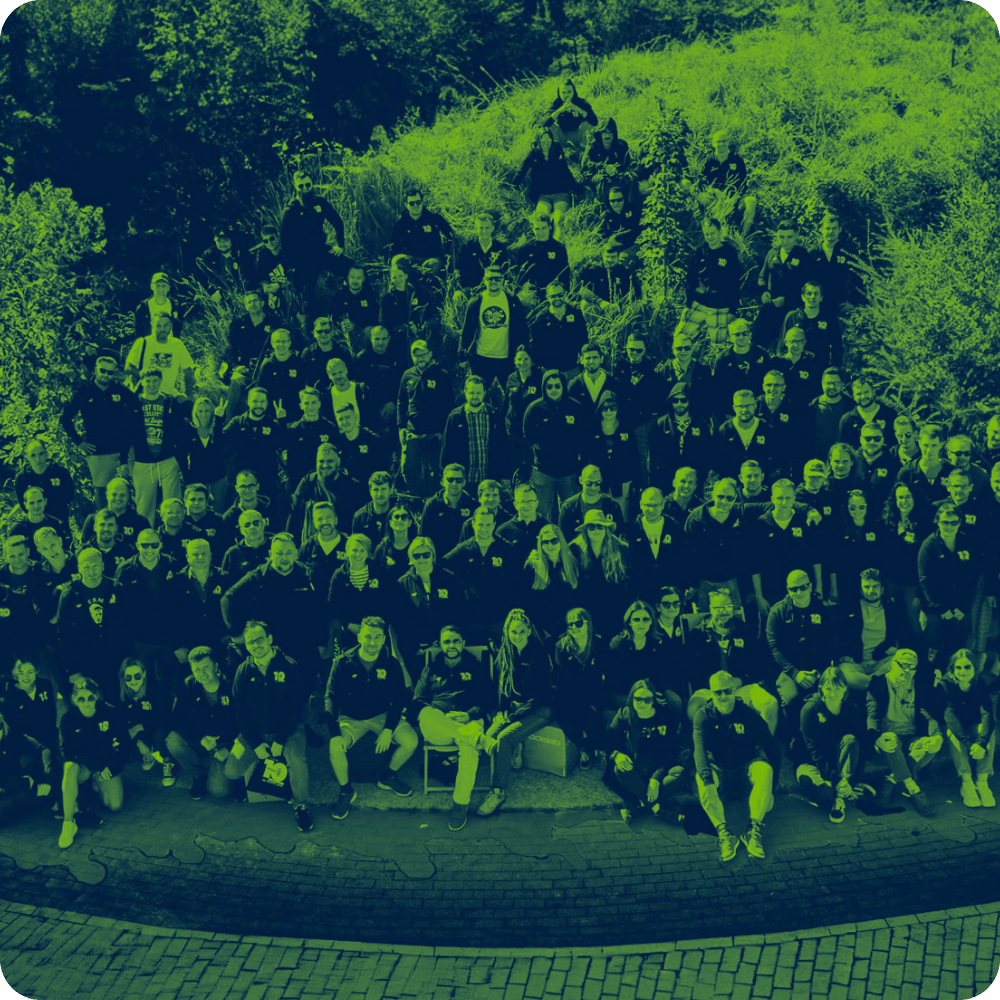
Codelab delivers high-performance software solutions and services for automotive, IIoT, and mobile. We take ownership of the entire development lifecycle - from concept and architecture to CRA-compliant validation and full system integration. With 220+ engineers in Poland, we support global Tier-1 automotive, industrial, and telecom leaders in building secure, scalable, and regulation-ready systems. For nearly 30 years, we have been executing complex, high-impact international projects — combining deep cybersecurity and embedded systems expertise with technologies from industry leaders. Part of Beta Systems Group — 35 years of global IT excellence, operating in nearly 40 countries and listed on the Frankfurt Stock Exchange.

0

+

years of experience with complex projects

0

+

Business Setup Growth

0

+

product carlines handled

0

%

NPS Score

An ecosystem of trusted Technology & Consulting Partners

Our Audit Process – Step by Step

We follow a methodical process designed for efficiency, with sufficient detail to ensure transparency while respecting your time constraints: 

Discovery Call (~1 hour)

A focused meeting to map your business objectives, technical stack and modernization goals. It allows to better understand key deadlines, pain points and define a tailored approach.

Technical & Process Assessment

Based on the discovery phase, our experts conduct a focused audit tailored to your challenges. It covers software, data flows, integrations, architecture, and delivery practices.

Deep-Dive Workshops (~4 hours)

Session that brings stakeholders together to discuss team dynamics and the development process. It helps uncover tools, blockers, and communication gaps.

Reporting & Recommendations

We compile findings into an executive summary and detailed technical report delivering a report with clear, business-aligned next steps.

Deliverables and Timeline

Executive Summary

High-level overview of findings and business implications.

Deep Technical Report

Clear, actionable report highlighting key issues, inefficiencies, and risks.

Improvement Plan

Prioritized recommendations and a structured improvement roadmap, combining quick wins with long-term strategies. All delivered within business days from project start.

Take the first step towards Modernization

Don’t wait until your legacy system blocks the next initiative. A short AppHealthCheck or Secure Stack Analysis gives you clarity on risks, bottlenecks and modernization options — before you commit to any major transformation. And Ux/UI refresh support you with defining new competitive UX/UI for your legacy systems.

Codelab's Legacy Software Redesign portfolio help you move forward in controlled, low‑risk steps.

Daniel Zimmer-1

Let's talk about your modernization needs

Frequently asked questions

Do we need a full rewrite to modernize our legacy system?

Not necessarily. Many teams get most of the benefit from a phased approach: start with AppHealthCheck to understand the system, use Secure Stack Audit where security risk is highest, and then modernize specific modules or the UX layer instead of rebuilding everything.

How long does an AppHealthCheck typically take?

A standard AppHealthCheck is designed as a short, time‑boxed engagement. You get the report and summary workshop in a matter of business days, not months, so you can make decisions quickly without disrupting current projects.

How much time do you need from our team during AppHealthCheck?

We organize a discovery session to understand your key business pain points and ask you to complete a short survey about your software. This allows us to align our analysis and ensure the outcomes are relevant, focused, and valuable. Most of the analysis happens on our side; your team is needed mainly for context, validation and the final workshop.


What’s the difference between AppHealthCheck and Secure Stack Audit?

AppHealthCheck looks at the overall health of your application — architecture, code structure, delivery bottlenecks and modernization options. Secure Stack Audit goes deeper into security and dependencies, using security‑focused tooling to surface vulnerabilities and supply‑chain risks in your stack.

Can we do Secure Stack Audit without running AppHealthCheck first?

Yes. If your primary concern is security and software supply‑chain risk (for example, due to customer or auditor pressure), we can run Secure Stack Audit as a standalone engagement and add AppHealthCheck later for broader modernization planning.

What if our documentation is outdated or incomplete?

That’s normal for legacy systems. We combine code and architecture analysis with interviews and exploratory sessions to reconstruct how the system really works. Lack of documentation is a reason to start, not a blocker.

Can we use our own tools and pipelines in these engagements?

Yes. Where possible we integrate with your existing repos, CI/CD and observability stack. If you don’t have certain pieces (e.g., static analysis or SCA), we bring our own tooling and include recommendations on what to keep using after the engagement.

What happens after the first engagement (AppHealthCheck or Secure Stack Audit)?

You get concrete recommendations, a prioritized view of risks and opportunities, and proposed next steps. You can implement them with your own teams, work with Codelab on Legacy Software Redesign and UX/UI, or choose a hybrid approach where we support your internal team.

How do we know where to start — AppHealthCheck, Secure Stack Audit or UX/UI?

If you feel “everything is a bit broken”, start with AppHealthCheck to understand the landscape. If customers, auditors or sales are pushing on security, start with Secure Stack Audit. If user frustration and adoption are the main pain, start with a scoped UX/UI redesign on the most critical workflows.

How does Codelab ensure data security and confidentiality?

Codelab is certified in ISO 27001 and TISAX, demonstrating our commitment to information security best practices. We:

  • Sign NDAs as standard practice
  • Follow strict data protection protocols
  • Implement access controls and encryption
  • Maintain compliance with GDPR and industry-specific requirements

Your intellectual property and sensitive data remain fully protected throughout our engagement.